France’s Municipal Elections: Local Powers in Play
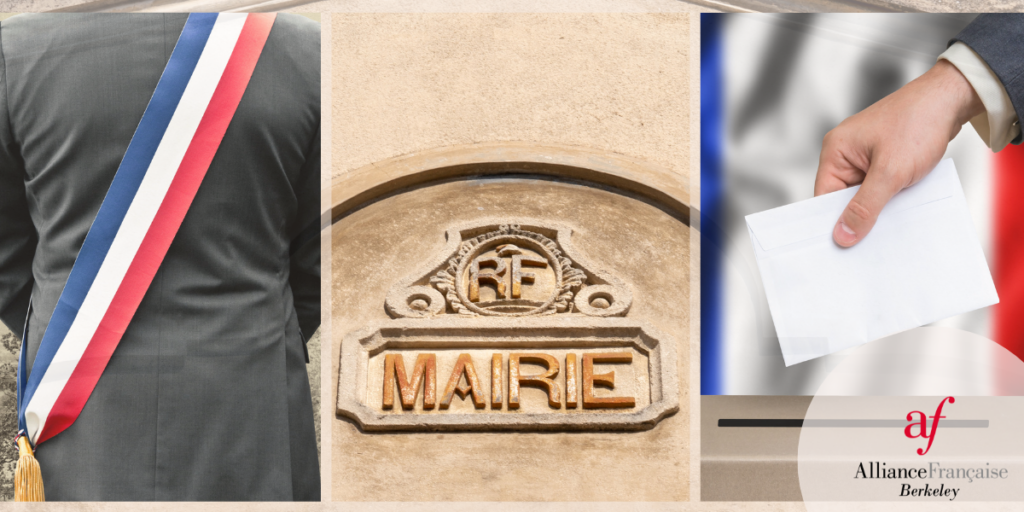
Municipal elections have arrived in France. Voting polls are open to the residents on Sundays, March 15 and March 22. Instead of voting for a specific candidate for mayor, the French decide on a city council.
How does it work?
Municipal elections take place every six years. Citizens vote for a list of city council candidates presented in a specific order, usually through a two-round voting system. In 2026, the first round was held on March 15; the second will take place on March 22.
Once a list is elected, three-fourths of the city council consists of candidates from the winning list. The remaining seats are distributed proportionally among candidates from other lists based on the votes. Then, the council elects a new mayor.
In towns with fewer than 1,000 residents, voters can select individual candidates across different lists. Those who have the most votes win seats on the city council.
How to vote?
Voters must be at least 18 years old and either a French citizen or a European Union citizen residing in France. They need proof of identification and proof of residence in order to register to vote. Once registered, they receive a voter card indicating their assigned polling place.
On election day, voters arrive at their polling station with identification. They fill out a ballot in a voting booth, put it in an envelope, and deposit it in the ballot box, where a poll worker announces that the vote has been cast. The voter then signs off on a list of registered voters, and their voter registration card is stamped as proof of participation.
If, for some reason, the voter cannot attend in person, they may send someone they trust in their place after stating this during registration.
Why is it important?
Municipal elections can serve as an indicator of the country’s political landscape, reflecting the balance of power between parties. On a personal level, the elections allow citizens to help shape their local community. Voting for a list means choosing a city council that will address issues affecting daily life, helping to build public trust through its close proximity to the people.
By Raniya Jin
Vocabulary:
- Un isoloir - Une cabine fermée, obligatoire dans les bureaux de vote (🇺🇸polling booth)
- Aller aux urnes - Aller voter (🇺🇸to go to the polls)
- Se représenter - Être candidat une nouvelle fois (🇺🇸to run for office a second time)
- Le cadre de vie - L’environnement immédiat (🇺🇸living environment)
- Un mandat - a) Une mission donnée à une personne élue; b) charge publique élective, la durée de cette fonction (🇺🇸mandate; term of office)